With all DAC's I built so far, I think I will full stop to making another one.
I said the same statement a year ago but somehow I always break it again.
The reason is simply building a DAC with my method is so much fun. I got full of flexibility to realized my idea especially when designing the PCB with the components in it, then building it on the fry. Of course the calculation and the layout preparation is should done before the built.
The result of all my DAC built are simply great.
So like in this post, the recent DAC that I was built is will be my last DAC, hopefully:)
I call it a "secret DAC"
Just for fun.

The name "secret" DAC is because the main components is hiding inside the cooper shield.
I tried to makes the layout as clean and as neat as possible.
Frankly speaking, it is nothing new inside. I just put all of my experience and knowledge when building the DAC in the past, then with the same method, I do the same to all components in this new DAC built.
The result from this built is not only nice to look at, but also excited to hear the sound quality from it.

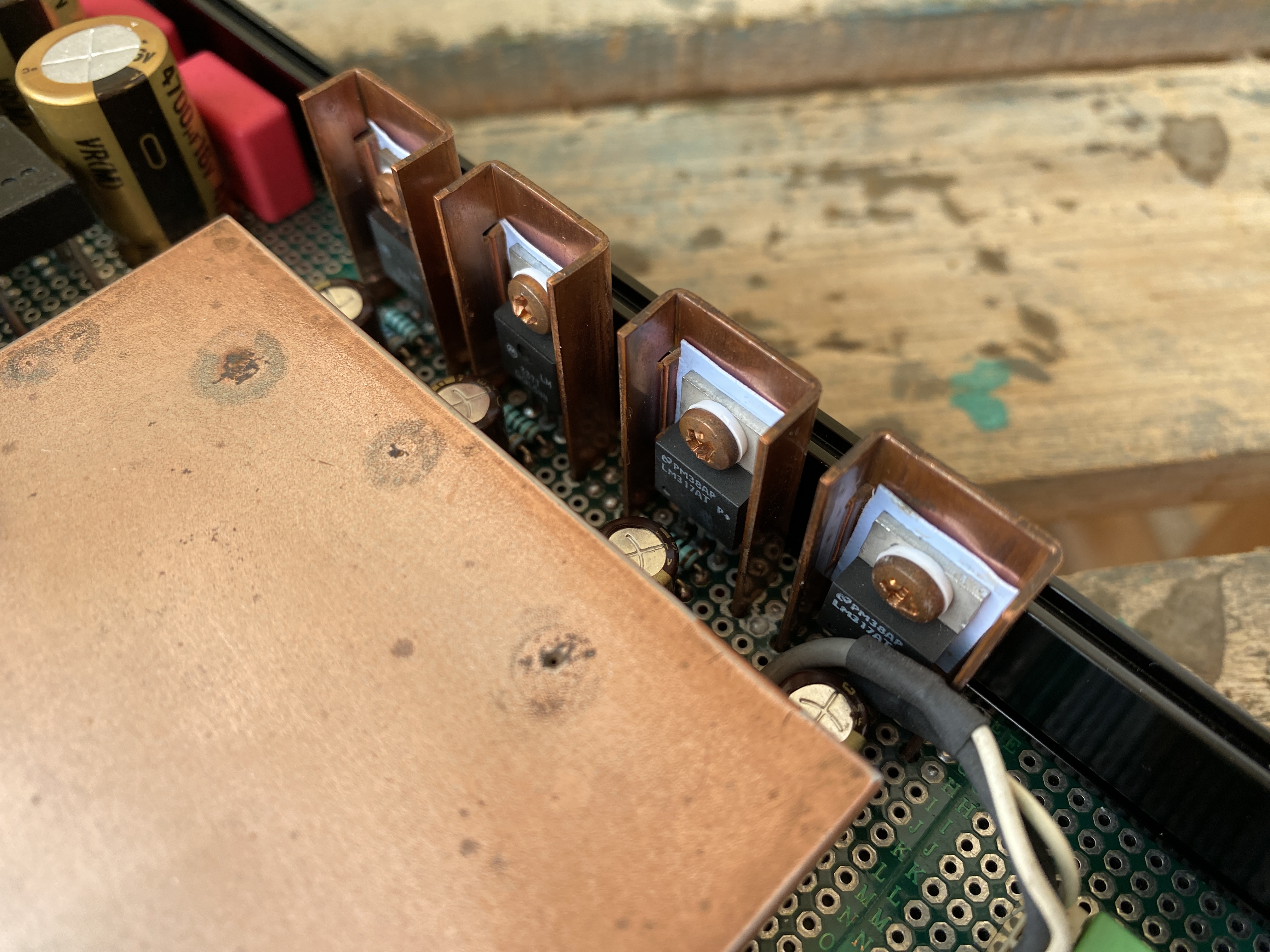


When I said nothing new in this DAC built is because inside the cooper shield are lying several vintage multibit DAC IC configure in parallels. Then I also using the simple but uncommon configuration at the LPF to achieve the best sound possible from vintage multibit DAC.
You probably know that none of my DAC's are built the same.
Then in this built, what's new?
On the analog stage is using the latest op-amp technology for the high current output driving as low as 16 ohm load. This op-amp also not sound dry just like the other modern op-amp, especially when they are using specifically for headphone amplifier. The reason because the 2nd harmonic distortion present on this new type op-amp, so the sound just like a vacuum tube amplifier.
Other than that, with the same output from this op-amp, this DAC is can be connect not only to the headphone but also can be act just like a pre-amplifier connect to the speaker amplifier.


Someday I will reveal this DAC inside. But at this moment, this DAC will keep "secret" and probably it will go for the audition to my friends for quite some time.
I knew they are quite objective to review a unit like this.
They are experienced audiophile using many kind of audio gears, both branded and DIY. Especially when the review unit are built by myself, they will not give any mercy when it sound bad. But they will also reluctant to return the review unit when they like it.
So, start from now, I guess I will stop making any new DAC.
Perhaps:)
Disclaimer: Any statement and photos in this article are not allowed to copy or publish without written permission from the writer. Any injury or loss from following tips in this article is not under writer responsibility.
Comments
Post a Comment